

Scalp Micropigmentation for Folliculitis
Folliculitis is a common skin problem where the hair follicle becomes blocked and inflamed, making it red and swollen. This condition can occur anywhere that you have hair. Folliculitis treatment is often something you can do yourself, but more severe cases will require medical treatment. Whilst folliculitis is not life threatening, it can be sore, itchy and embarrassing. Severe cases can cause scarring and permanent hair loss to the affected area.
Scalp Micropigmentation for Folliculitis
Folliculitis is caused by damage to hair follicles, which can be due to a number of things, such as:
- Frequent rubbing or scratching
- Pulling or twisting your hair, including regularly wearing tight ponytails or braids
- Wearing hats frequently
- Regularly wearing helmets for sports
- Using too many hair products, which build up over time
- Regularly shaving your head
There are also a number of factors that can increase your risk of developing folliculitis, including:
- Having a weakened immune system due to a medical condition such as diabetes, chronic leukaemia and HIV/AIDS
- Having acne or dermatitis
- Taking medications for acne
- Having coarse or curly hair
100% Satisfaction
150+ Procedures
Treatment Details
Treatment Duration
2 - 9 Hour
Results
Immediate
Results Duration
2 - 5 Years
Sensitivity Period
12 - 36 Hours
Full Recovery
10 Days
No. of Sessions*
Atleast 2 Sessions
Treatment Details
Treatment Duration
2 - 9 Hours
Results
Immediate
Results Duration
2 - 5 Years
Sensitivity Period
12 - 36 Hours
Full Recovery
10 Days
No. of Sessions*
Atleast 2 Sessions
The Process
At Scalp Perfection, our scalp micropigmentation (SMP) treatment for folliculitis is designed to help clients affected by inflammation or scarring of the hair follicles. This non-surgical solution conceals uneven areas and restores the appearance of healthy, consistent hair growth, giving you renewed confidence and a natural look.
Step 1: Consultation & Mapping
We begin with a detailed consultation to assess the extent of folliculitis and any scarring or patchiness it has caused. Our specialists create a customised treatment plan that includes pigment selection, density, and coverage pattern to match your natural hair color and skin tone while ensuring minimal irritation to sensitive areas.
Step 2: Pigment Application & Layering
Across 2 to 4 sessions, our experienced technicians use fine micro-needles to implant pigment into the scalp, replicating the look of natural hair follicles. Each session builds subtle layers of texture and density to camouflage affected areas, helping your scalp appear smooth, uniform, and healthy.
Step 3: Aftercare & Maintenance
After your treatment, we provide you with complete aftercare guidance to promote healing and maintain long-lasting results. You will receive advice on keeping the scalp clean, managing sensitivity, and protecting the treated area from sun exposure. Touch-up sessions may be recommended every few years to keep your results fresh and natural.
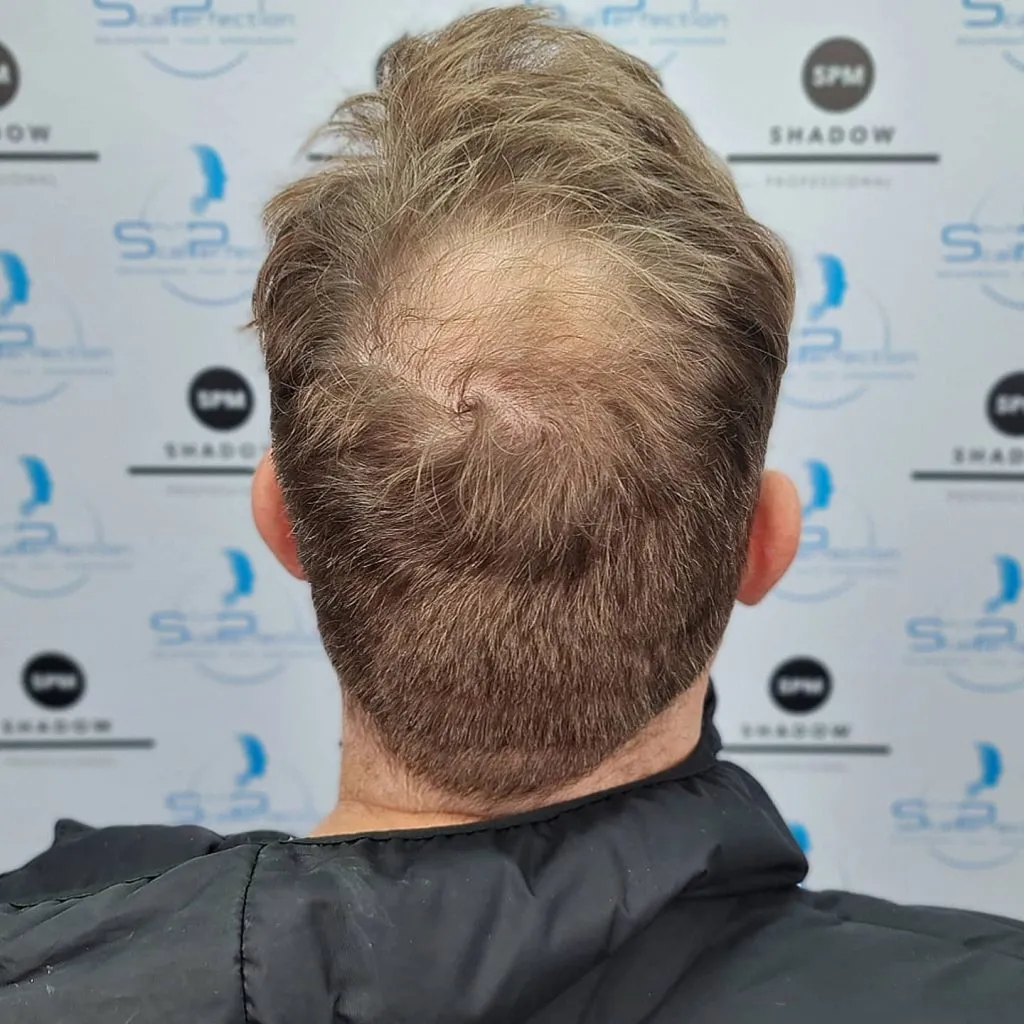
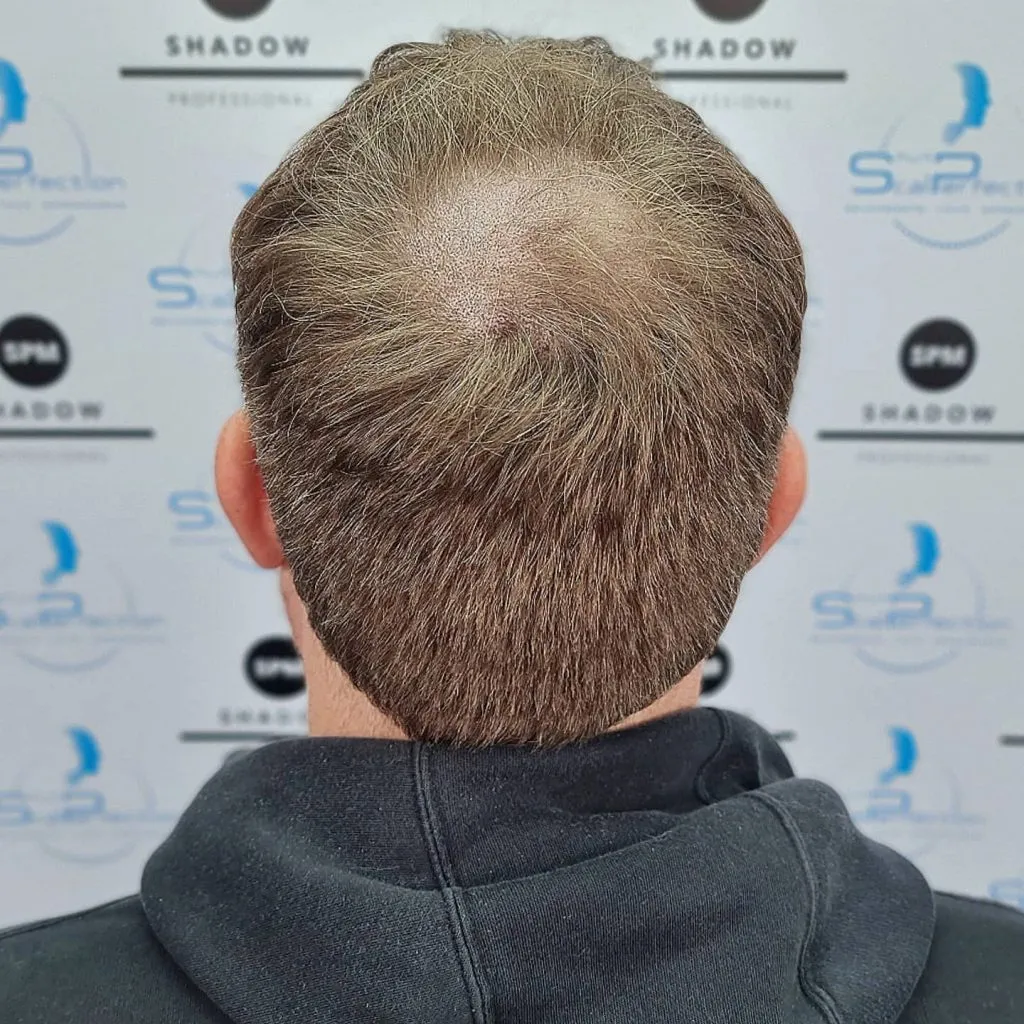
Don't just take our word for it...
Listen to what our clients who suffer from balding, alopecia, hair thinning and scarring have to say about their life changing results from Scalp Micropigmentation with ScalPerfection.
Ideal candidates
Scalp Micropigmentation (SMP) is an effective option for individuals dealing with folliculitis-related hair loss or scarring. It conceals affected areas by replicating the look of natural hair follicles, restoring the appearance of even coverage and a healthy scalp.
SMP for folliculitis is suitable for both men and women of all skin tones and hair types. Each treatment is tailored to your natural hair pattern and colour, helping you achieve a smooth, realistic look that boosts confidence and minimizes the visibility of previous irritation or scarring.
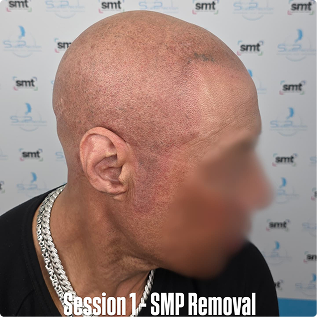
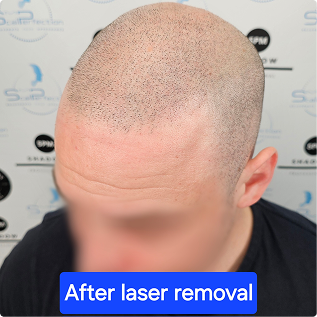
Before & After Photos
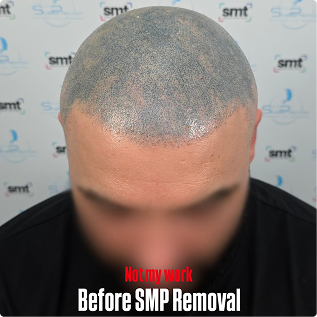
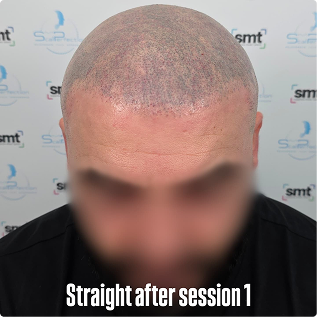
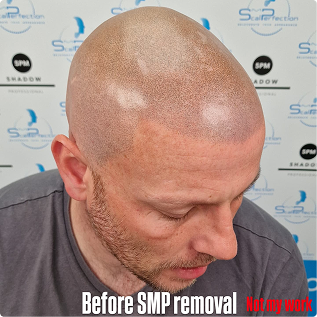
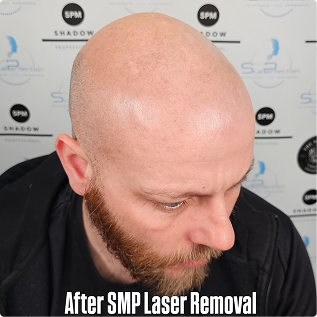
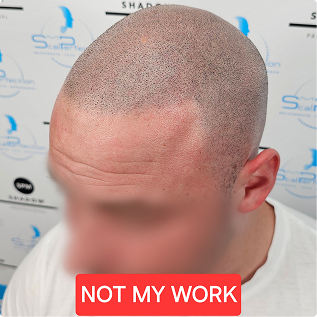
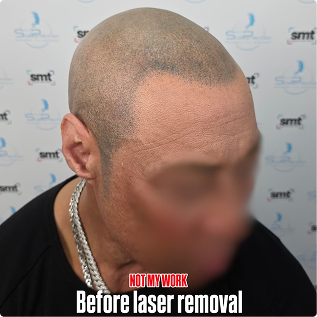
See what we can do for you!
Not sure which treatment is right for you? Our friendly team is here to guide you. Book a free consultation today and discover the best solution to help you achieve your desired look.
Our work speaks for itself...
International Client Base
Lorem ipsum dolor sit amet, consectetur adipiscing elit. Ut elit tellus, luctus nec ullamcorper mattis, pulvinar dapibus leo.
5 Star Reviews on Google & Facebook
Lorem ipsum dolor sit amet, consectetur adipiscing elit. Ut elit tellus, luctus nec ullamcorper mattis, pulvinar dapibus leo.
Over
250+ Clients
Lorem ipsum dolor sit amet, consectetur adipiscing elit. Ut elit tellus, luctus nec ullamcorper mattis, pulvinar dapibus leo.
Recommended by
Top Clinics
Lorem ipsum dolor sit amet, consectetur adipiscing elit. Ut elit tellus, luctus nec ullamcorper mattis, pulvinar dapibus leo.
Award Winning
Artist & Trainer
Lorem ipsum dolor sit amet, consectetur adipiscing elit. Ut elit tellus, luctus nec ullamcorper mattis, pulvinar dapibus leo.
International Client Base
Lorem ipsum dolor sit amet, consectetur adipiscing elit. Ut elit tellus, luctus nec ullamcorper mattis, pulvinar dapibus leo.
5 Star Reviews on Google & Facebook
Lorem ipsum dolor sit amet, consectetur adipiscing elit. Ut elit tellus, luctus nec ullamcorper mattis, pulvinar dapibus leo.
Over
250+ Clients
Lorem ipsum dolor sit amet, consectetur adipiscing elit. Ut elit tellus, luctus nec ullamcorper mattis, pulvinar dapibus leo.
Recommended by
Top Clinics
Lorem ipsum dolor sit amet, consectetur adipiscing elit. Ut elit tellus, luctus nec ullamcorper mattis, pulvinar dapibus leo.
Award Winning
Artist & Trainer
Lorem ipsum dolor sit amet, consectetur adipiscing elit. Ut elit tellus, luctus nec ullamcorper mattis, pulvinar dapibus leo.
Frequently Asked Questions
Symptoms of folliculitis
Some of the signs and symptoms of folliculitis include:
- Itchy burning skin
- Clusters of small red bumps, or white headed pimples that develop around hair follicles
- Pus-filled blisters that split open and crust over
- Painful, tender skin
- A large swollen lump or mass
If your condition is widespread or the symptoms do not improve withing a few days, seek advice from a doctor. You may need a topical antibiotic or oral antibiotics to control the condition.
Types of Folliculitis
Folliculitis has two main types – superficial and deep. Superficial includes part of the follicle, while the deep type involves the whole follicle.
Superficial folliculitis types:
Bacterial folliculitis – this results in itchy white, pus-filled bumps and occurs when folicles are infected with bacteria, usually Staphylococcus aureus. Also known as staph bacteria, this lives on the skin all the time, but generally only causes problems when it enters your body through an open wound.
Hot tub folliculitis (pseudomonas folliculitus) – this is caused by pseudomonas aeruginosa bacteria, which is found in may places including heated pools and hot tubs where the levels of chlorine and pH are not well maintained. It causes a rash of red, round itchy bumps 1-2 days after exposure.
Razor bumps (pseudofolliculitis barbae) – this skin irritation is caused by ingrown hairs and mainly affects men with curly hair who shave too close. It is most noticeable on the face, neck and beard area. This condition can result in dark raised scars (keloids).
Pityrosporum folliculitis – caused by a yeast infection, this type of folliculitis causes red, itchy pustules on the back and chest and sometimes on the neck, shoulders, upper arms and face.
Deep folliculitus types:
Sycosis barbae – this type of folliculitis affects men who have begun to shave.
Gram-negative folliculitis – this can develop if you are taking a long-term antibiotic treatment for acne.
Boils and carbuncles – these occur when the hair follicles become deeply infected with staph bacteria. A boil will appear suddenly as a painful red or pink bump, while a carbuncle is a cluster of boils.
Eosinophilic folliculitis – this type of folliculitis mainly affects those with HIV/AIDS, although the exact cause is not known. Symptoms include intense itching and recurring patches of bumps and pimples that form near hair follicles, usually on the face and upper body. The affected skin may be left darker (hyperpigmented) once healed.
Folliculitis treatment
Your doctor will diagnose folliculitis by looking at your skin and medical history. Many mild cases can be treated at home, but if initial treatments do not clear up the infection, your doctor may take a swab for further analysis to understand what is causing the infection.
There are a number of treatments for folliculitis, depending on the severity and type of condition. Treatments can include:
- Cream or pills to control infection.
- Cream, shampoo or pills to treat fungal infection.
- Cream or pills to reduce inflammation.
- Minor surgery to drain large boils or carbuncles.
- Laser hair removal to remove hair follicles.
How we can help?
We’ve had some great results with scalp micropigmentation for hair transplant scars, take a look at our gallery for before and after photos.
If you have a scalp scar that you would like to conceal and are considering scalp micropigmentation, try our FAQs or get in touch with us today. We’re happy to have a no obligation conversation to answer any questions you have.